
Whether you are navigating the unpredictable breezes of a Chicago spring or the biting chill of a New York winter, mastering the art of layering is the ultimate sartorial superpower. As a designer, I view layering not just as a functional necessity, but as a creative dialogue between textures, proportions, and personal expression.
In the United States, our diverse climates and fast-paced lifestyles demand a wardrobe that is as versatile as it is stylish. This guide will transform the way you see your closet, turning basic staples into complex, fashion-forward ensembles that work for every season and occasion.
Table of Contents (Click to Expand)
- The Golden Rules of Layering
- The Anatomy of a Layered Outfit
- Seasonal Strategies: From Coast to Coast
- Advanced Techniques: Texture and Proportion
- Pro Tips and Common Pitfalls
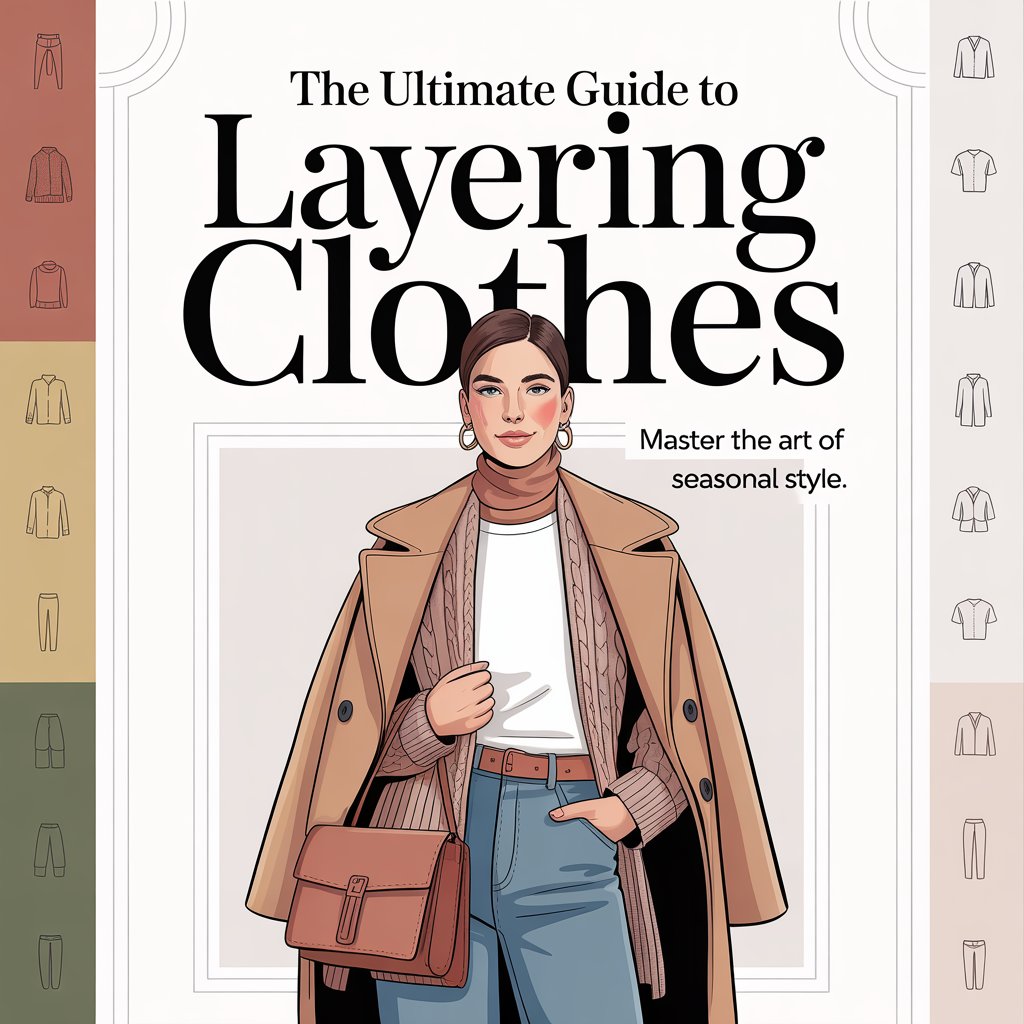
The Golden Rules of Layering: Start Thin to Build Thick
The most common mistake people make is choosing the wrong weight for their base. To maintain a sleek silhouette without the dreaded “stay-puft” effect, you must follow the cardinal rule of fashion engineering: start with the thinnest fabrics closest to the skin and increase weight as you move outward.
This progression allows the garments to drape naturally over one another rather than bunching up. A lightweight pima cotton tee or a silk camisole provides a smooth foundation, while a heavy wool overcoat should always be the final structural element of your look.
“Layering is the fashion equivalent of a great spice rack; it’s about choosing the right notes to create a complex, harmonious flavor that stands out in a crowd.” — Lead Designer, NYFW Collective
| Layer Category | Ideal Fabrics | Function |
|---|---|---|
| Base Layer | Silk, Thin Cotton, Merino Wool | Moisture wicking & comfort |
| Mid Layer | Cashmere, Denim, Flannel, Fleece | Insulation & texture |
| Outer Layer | Wool Blend, Leather, Down, Gore-Tex | Weather protection & structure |
The Anatomy of an Outfit: The Three-Layer System
Every successful outfit generally relies on a three-tier system: the base, the insulator, and the shell. Your base should be form-fitting to regulate body temperature; think of a crisp white button-down or a sleek turtleneck that sits comfortably under a sweater.
The middle layer is where the “fashion” happens, as this is where you introduce colorblocking and texture. A V-neck sweater over a polo or a denim vest over a hoodie provides the visual depth that separates a “basic” outfit from a “styled” one.
PRO TIP: The “Cuff and Collar” Trick
To instantly look more polished, ensure your inner layers are visible at the “hinge points” of your body. Let an inch of your button-down cuff peek out from your sweater sleeve, or pop the collar of a denim jacket over a trench coat.
Mastering Seasonal Transitions: Spring and Fall
Transitional weather in the US is notoriously fickle, making layers essential for comfort. In the fall, focus on “earthy” textures like corduroy and suede, layering a light chore coat over a flannel shirt for that classic Americana aesthetic that works from the office to the weekend.
Spring requires a lighter touch, often utilizing “breathable” layers like linen and open-weave knits. A lightweight trench coat over a cotton cardigan allows you to peel back layers as the afternoon sun peaks, ensuring you stay cool without losing your stylistic edge.
Essential Checklist for Transitional Layering
- The Oversized Blazer: Perfect for wearing over hoodies or silk slips.
- The Lightweight Scarf: Adds a pop of color and can be removed easily.
- The Shacket: The ultimate hybrid between a shirt and a jacket.
- The Vest (Gilet): Keeps the core warm while allowing arm mobility.
Advanced Proportions: Playing with Lengths
Modern layering challenges the traditional “minimalist” look by experimenting with unpredictable lengths and silhouettes harpersbazaar.com. Try wearing a longline tunic under a cropped sweater to create a tiered effect that draws the eye vertically and elongates your frame.
Contrast is your best friend when playing with proportions; pair a chunky, oversized “grandpa” cardigan with slim-fit trousers or leggings. This balance prevents the outfit from overwhelming your natural shape while embracing the maximalist “threw this on” trend currently seen on runways.
$$ \text{Style} = (\text{Texture} \times \text{Depth}) + \text{Proportion Balance} $$
Playing with Texture: The Secret to Professional Styling
Monochrome outfits can often feel flat, but layering different textures within the same color family creates a rich, “quiet luxury” aesthetic. Imagine a charcoal silk slip dress topped with a chunky slate-grey wool knit and finished with a polished graphite leather jacket.
Mixing “high and low” textures—like pairing a rugged denim jacket with a soft cashmere scarf—adds a level of sophistication that is unmatched. This tactile variety provides “visual interest” even when the color palette is kept subdued and professional.
Layering for Men: Texture and Character
For the modern American man, layering is the easiest way to add refinement to a casual wardrobe thetiebar.com. Adding a structured vest under a blazer or a crisp Oxford shirt under a crewneck sweater creates a look that is both intentional and functional.
Strategic layers add “visual depth and dimension,” creating a silhouette that is far more interesting than a single heavy garment therake.com. Accessories like ties, pocket squares, and watches act as the “final layer” that pulls the entire story together.
| Men’s Layering Combo | Vibe | Key Pieces |
|---|---|---|
| The Urban Professional | Sharp & Capable | Navy Blazer + Grey Cardigan + White Dress Shirt |
| The Weekend Explorer | Rugged & Relaxed | Field Jacket + Denim Shirt + Waffle Knit Henley |
| The Creative Lead | Modern & Edgy | Leather Biker Jacket + Black Hoodie + Longline Tee |
Building Your Layering Capsule Wardrobe
To master this art, you don’t need a thousand clothes; you need the right twenty pieces. Invest in high-quality “staples” like a camel overcoat, a navy blazer, and several weights of knitwear that can be mixed and matched endlessly.
Ensure your wardrobe includes several “mid-layers” that can act as outer layers in milder weather. A high-quality denim jacket or a quilted vest provides the versatility needed to navigate the shifting temperatures of the American landscape from coast to coast.
Keywords for Your Style Search
- Moisture-wicking base layers
- Sustainable wool knits
- Oversized outerwear trends
- Monochromatic layering techniques
- Modular wardrobe essentials
Summary: Your Signature Layered Look
In conclusion, layering is the most effective tool in a fashion designer’s kit to create “multi-functional dressing” that takes you from dawn to dusk net-a-porter.com. It allows you to maximize your existing wardrobe while staying prepared for any environment.
Remember to experiment with colorblocking, maintain your proportions by starting thin, and never be afraid to mix textures. With these principles, you aren’t just getting dressed—you are curating a visual identity that is uniquely yours.
