
You know the feeling. You’re standing in front of a closet bursting with clothes, hangers sliding back and forth, and somehow—somehow—you still have nothing to wear. Every combination feels off. Every pairing feels like a gamble.
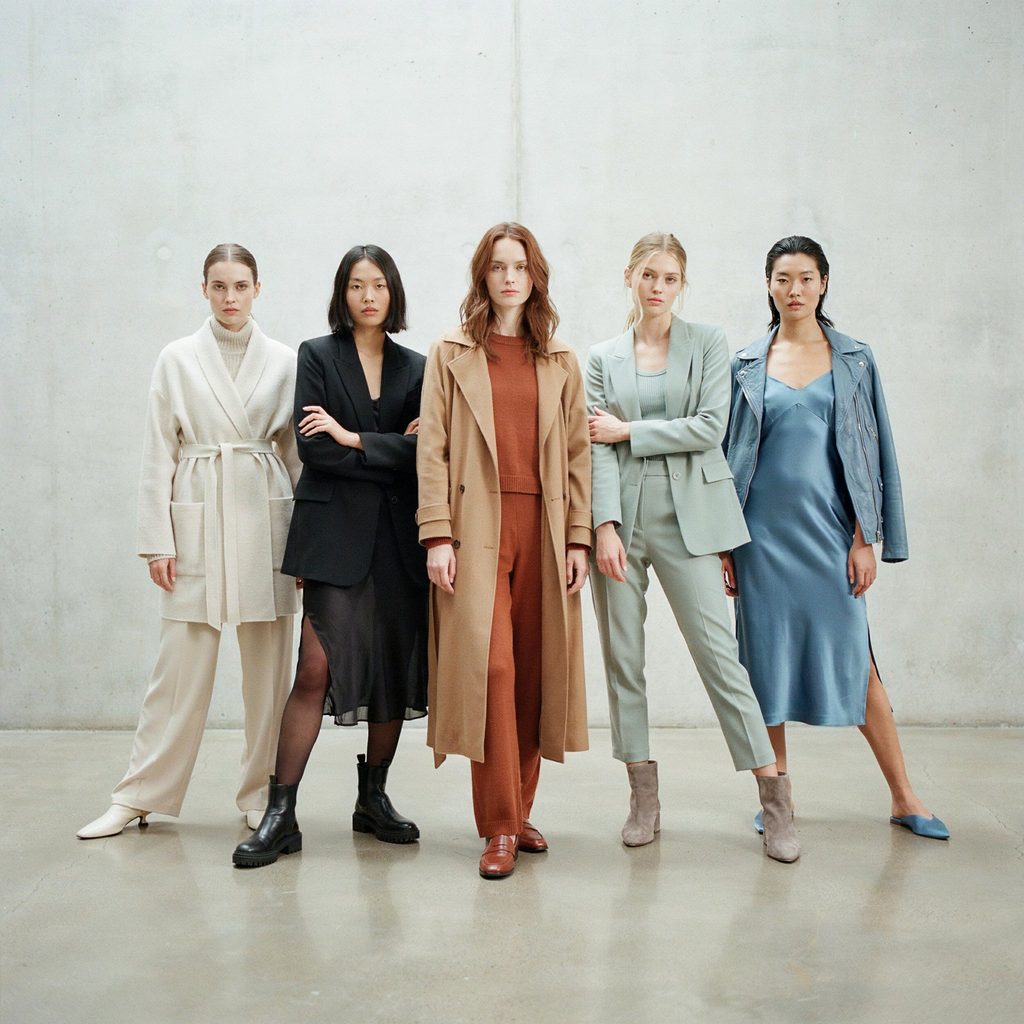
Here’s the secret that stylists, influencers, and fashion editors keep circling back to: monochrome dressing. In the simplest terms, it means wearing one color (or shades within one color family) from head to toe. No clashing. No second-guessing. Just clean, intentional style.
By the end of this guide, you’ll know exactly how to wear monochrome looks with confidence—whether you’re heading to a Monday meeting, a Saturday brunch, or a first date. No fashion degree required. No designer budget needed.
And here’s why it matters right now: monochrome fashion in 2026 is having a major moment. It’s effortless, it elongates your silhouette, and it’s the ultimate hack for anyone building a capsule wardrobe. Let’s get into it.
Why Monochrome Looks Work (Even If You’re a “Prints and Patterns” Person)
There’s a reason monochrome dressing keeps showing up on every runway, every TikTok “get ready with me,” and every Pinterest board titled “minimalist fashion.” It just works.
Visually, a one-color outfit creates an unbroken vertical line. Your eye travels smoothly from shoulder to hem without stopping at color breaks. The result? You look taller, leaner, and instantly put-together—even if your outfit is just a sweater and jeans.
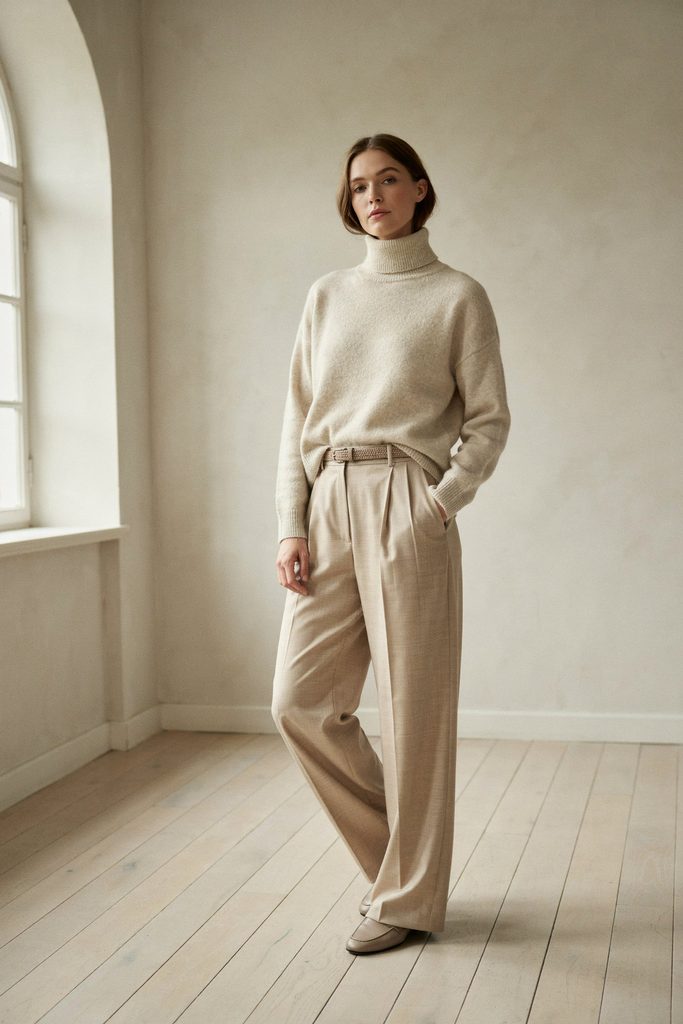
Psychologically, monochrome reduces decision fatigue. You’re not negotiating between a blue top and orange pants at 7 a.m. You pick a color family and go. Done.
And the versatility is unmatched. An all-black power outfit reads completely different from a soft beige weekend look, yet both follow the same monochrome outfit formula. You can dress it up, dress it down, and never look out of place.
Choosing Your Base Color: Where to Start
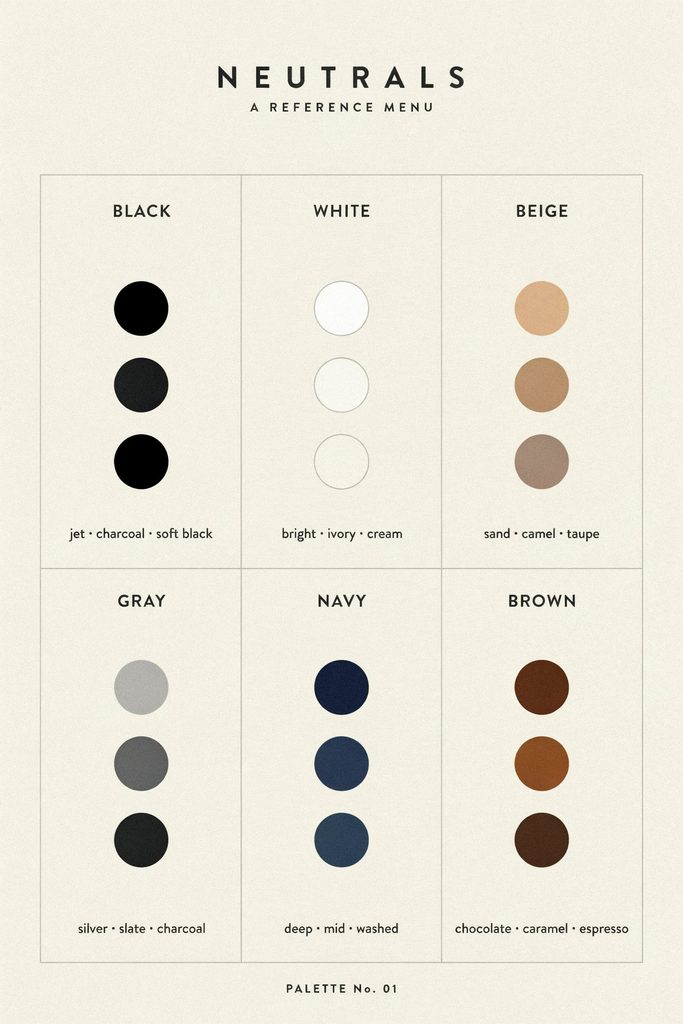
The first step in any monochrome dressing guide is picking your color family. Here’s how to narrow it down:
Consider your skin tone. Hold fabric near your face in natural daylight (not fluorescent store lighting). If gold jewelry makes you glow, lean warm—beige, brown, cream, camel. If silver flatters you more, try cool tones like gray, navy, or icy white.
Consider your lifestyle. If you’re in a corporate office, navy and charcoal will carry you through the week. If you’re a student or creative professional, you have more room to play with sage green, lavender, or dusty blue.
Consider what’s already in your closet. Open it up. What color do you own the most of? Start there.
Here are the most popular monochrome palettes for US audiences right now:
- Black monochrome outfit: Sleek, slimming, endlessly easy to accessorize. The ultimate “I look expensive with zero effort” move.
- White/cream monochrome outfit: Fresh and elevated. Perfect for spring and summer. Reads intentional, not accidental.
- Beige/neutral monochrome outfit: Warm, minimalist, and very much in the “quiet luxury” lane. Think Hailey Bieber meets The Row.
- Gray monochrome outfit: Modern, urban, and incredibly work-friendly. Less harsh than black, more interesting than beige.
- Navy monochrome outfit: Professional and classic. A smart alternative when black feels too severe.
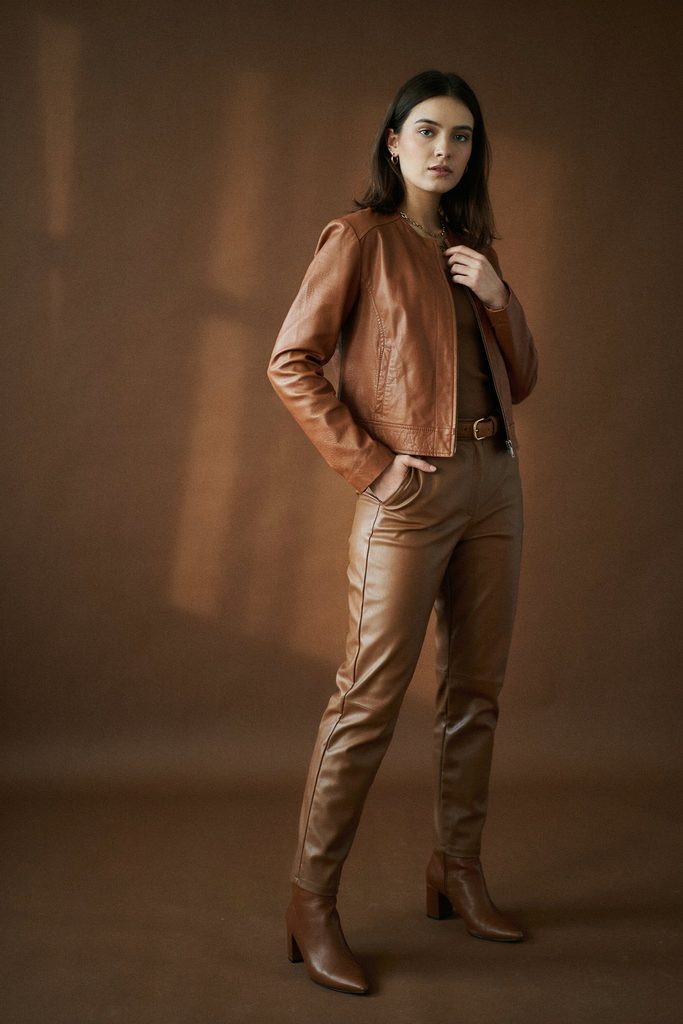
- Brown monochrome outfit: Trending hard in 2026. Cozy, autumnal, and surprisingly flattering on most skin tones.
Quick tip: If you’re unsure, start with neutrals. You can’t go wrong, and they mix easily with what you already own.
The Monochrome Outfit Formula: A Step-by-Step Guide
This is the repeatable framework. Memorize these six steps, and you can build a monochrome look in any color, for any occasion, in under five minutes.
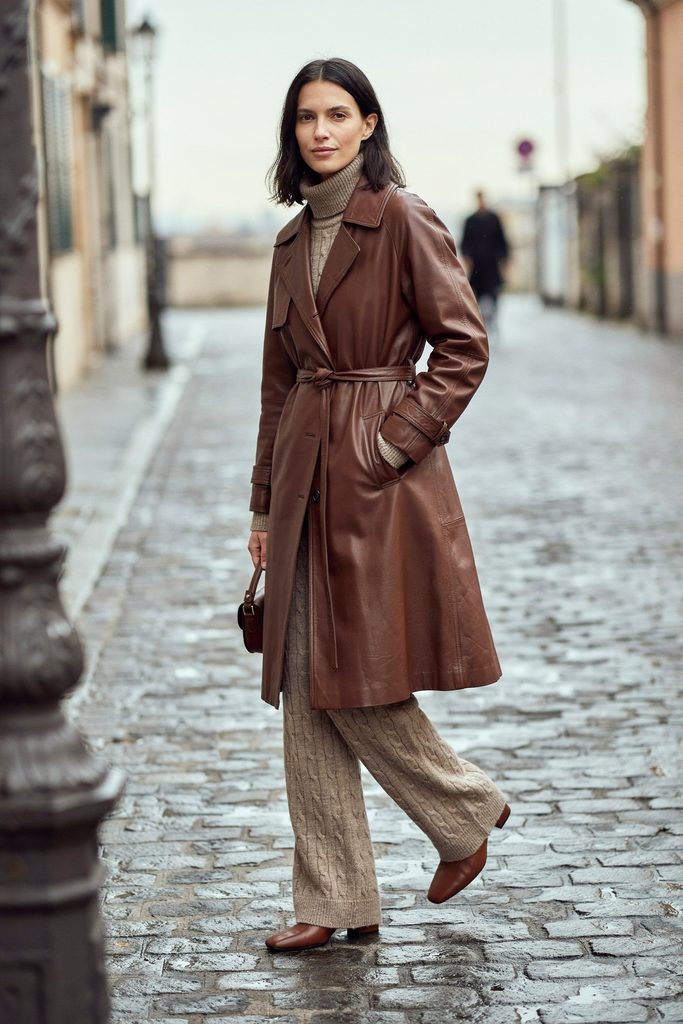
1. Start with an Anchor Piece
Pick the item you’re most excited to wear today. Maybe it’s your black blazer, your favorite beige trousers, or that crisp white tee you just bought. This single piece sets your color family for the entire outfit.
2. Match Tone, Not Exact Shade
This is where most beginners get stuck. You do not need every piece to be the identical hex code. Tonal dressing means staying in the same family while allowing slight variation.
Pair charcoal with black. Cream with bright white. Camel with chocolate. These small shifts add visual depth and keep the outfit from looking flat or costume-y.
3. Mix Textures Intentionally
This is the single most important tonal dressing tip: texture mixing in outfits is what separates “I got dressed in the dark” from “she looks like she walked off a runway.”
- Cotton tee + wool trousers
- Silk blouse + suede skirt
- Denim jacket + knit dress
- Leather pants + cashmere sweater
Matte next to glossy. Structured next to soft. Rough next to smooth. Same color, totally different visual interest.
4. Balance Your Silhouette
Monochrome highlights your shape because there’s no color blocking to distract the eye. That means silhouette balance matters more than usual.
- Oversized top → streamlined or fitted bottom
- Fitted top → wide-leg or relaxed bottom
- Flowy dress → structured jacket
If everything is oversized, you risk looking swallowed. If everything is tight, it can feel one-note. Contrast the volumes.
5. Include Footwear in the Palette
Your shoes and bag should live in the same color family to keep that elongating line unbroken. Black outfit? Black boots. Beige ensemble? Tan or cream shoes.
That said, a subtle contrast can work as an accent—think white sneakers with a beige monochrome look, or nude heels with navy. Just keep it within one shade of your base color.
6. Add One Intentional Accessory
A gold belt over a brown outfit. Silver hoops with all-gray. A tonal scarf with a cream ensemble. Pick one accessory moment and let it shine.
Avoid stacking three contrasting colors on top of your monochrome base. It breaks the effect and muddies the look.
Monochrome Outfit Ideas by Occasion
Here are specific, copy-ready formulas for how to style monochrome outfits across your real life:
Work / Office Looks
- Navy blazer + navy shell top + navy tailored trousers + nude pointed-toe pumps. Why it works: The unbroken navy line reads authoritative; the nude shoe adds a subtle leg-lengthening break.
- Charcoal fine-knit sweater + gray pencil skirt + black opaque tights + black ankle boots. Why it works: Tonal gray layering keeps it interesting; structured pieces keep it professional.

Casual Weekend
- Cream oversized sweater + beige joggers + white sneakers + tan canvas tote. Why it works: Relaxed silhouettes in warm neutrals feel effortless without looking sloppy.
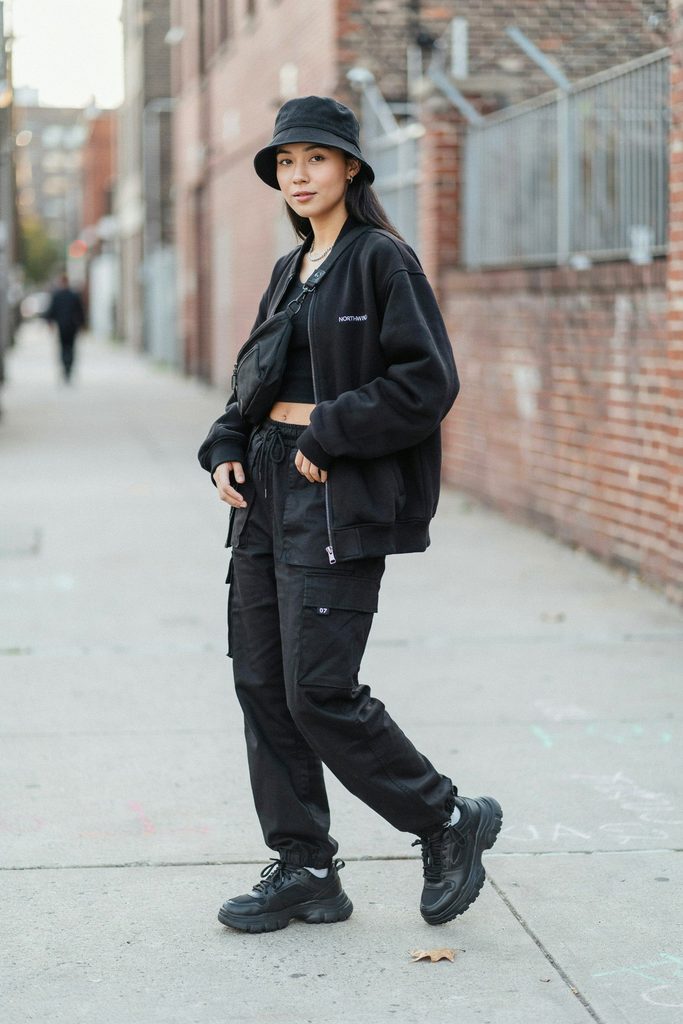
- Black hoodie + black relaxed-fit jeans + black chunky sneakers + minimal silver jewelry. Why it works: This is monochrome streetwear at its easiest—cool, comfortable, zero fuss.
Date Night / Going Out
- Black satin slip dress + black leather moto jacket + black heeled ankle boots. Why it works: Texture contrast (satin + leather) keeps all-black from feeling flat.
- Deep brown ribbed knit + chocolate wide-leg trousers + brown strappy heels. Why it works: Warm, tonal, and a little unexpected. Very 2026.
Campus / Student Life
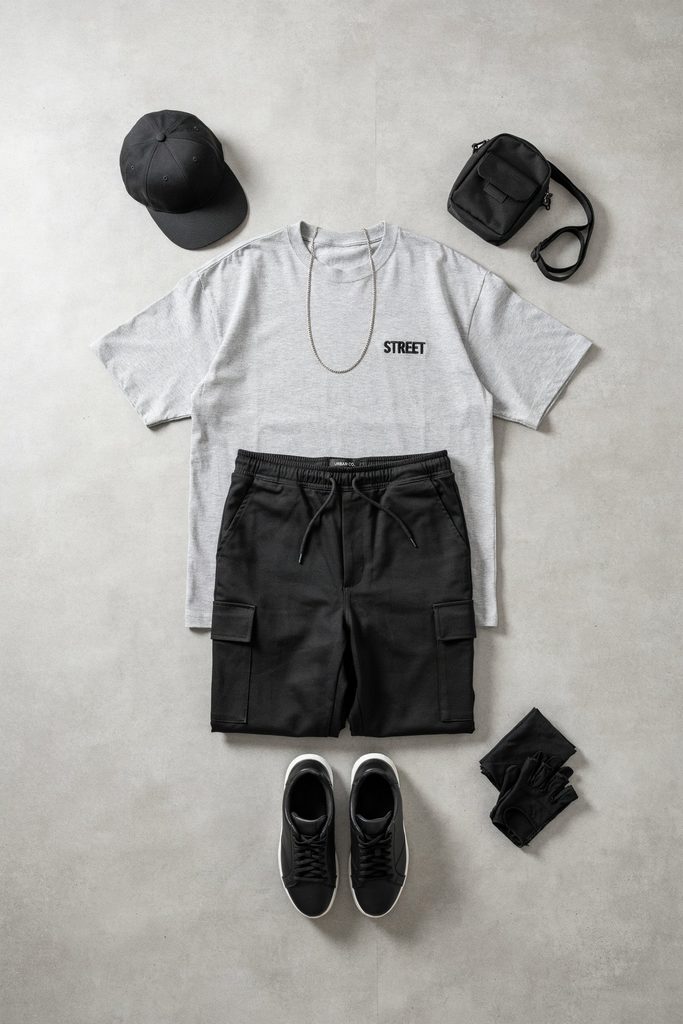
- Gray crewneck tee + charcoal cargo pants + gray low-top sneakers + minimal gray backpack. Why it works: Easy, practical, and still looks styled.
- White tee + off-white denim jacket + cream chinos + white canvas sneakers. Why it works: A white monochrome outfit that’s bright, clean, and totally campus-appropriate.
Travel / Airport Outfit
- Navy long-sleeve knit + navy leggings + navy quilted puffer + navy slip-on loafers. Why it works: Comfort-first, wrinkle-resistant, and you still look put-together at the gate.

Monochrome Outfits for Different Body Types
Here’s the truth: monochrome flatters every single body type. It’s about how you style it, not whether you “can” wear it.
- Petite frames: Keep lines clean and avoid too many bulky layers. Vertical textures (like ribbing or long zippers) add height. Cropped jackets over high-waisted bottoms work beautifully.
- Curvy figures: Define your waist with a tonal belt or a fitted mid-layer. Structured fabrics (blazers, tailored trousers) hold shape without adding bulk.
- Tall frames: You can play with volume—wide-leg pants, long duster coats, oversized knits. Layer long over long for drama.
- Plus-size bodies: Invest in high-quality fabrics that drape rather than cling. Use tonal contrast (darker shade on areas you want to minimize, lighter where you want to highlight) to create shape. Tailoring is your best friend.
The universal rule? Fit and confidence beat any “rule.” Wear what makes you feel like yourself.
Common Monochrome Mistakes (and How to Fix Them)
Even seasoned dressers trip up here. No judgment—just quick fixes:
- Wearing one flat shade head-to-toe. Fix: Add tonal variation and at least two different textures.
- Ignoring fit because “it’s all one color anyway.” Fix: Monochrome amplifies fit issues. Tailor your pieces. Check proportions.
- Over-accessorizing with multiple contrasting colors. Fix: Limit yourself to one accent color or keep accessories tonal.
- Choosing a color that washes you out. Fix: Test in natural light. Adjust warmth or coolness until your skin looks alive, not tired.
- Forgetting shoes and bags. Fix: Treat them as part of the palette, not an afterthought. A random red bag with an all-beige outfit breaks the spell instantly.
Building a Monochrome-Friendly Capsule Wardrobe
If you’re into minimalist fashion or building a capsule wardrobe, monochrome is your best friend. Fewer pieces, more outfits.
Here’s what to invest in (pick one or two color families to start):
- 2–3 quality tees and tanks in your base color
- 1 pair of well-fitting jeans + 1 pair of tailored trousers
- 1 versatile blazer or structured jacket
- 2 knitwear pieces (one lightweight, one chunky)
- 1 pair of shoes + 1 bag in a matching tone
That’s roughly 8–10 items that can generate 20+ monochrome outfit ideas. You’ll spend less money, waste less time, and never stare at your closet in despair again.
(If you’re building a full capsule from scratch, check out our guide to [neutral capsule wardrobe essentials] for a deeper dive.)
Seasonal Twists on Monochrome
Your color palette and fabric choices should shift with the calendar:
Spring/Summer: Reach for linen, lightweight cotton, and open-weave knits. Embrace softer shades—cream, sage, lavender, powder blue. Swap boots for sandals or white sneakers.
Try: A sage linen button-down + sage wide-leg linen pants + white slide sandals. Breezy, tonal, effortlessly cool.
Fall/Winter: Go richer and heavier. Chocolate brown, forest green, charcoal, and deep burgundy shine here. Layer wool, leather, suede, and chunky knits.
Try: A charcoal wool coat + charcoal turtleneck + black tailored trousers + black leather boots. Warm, sophisticated, and totally weather-proof.
Final Confidence Boost: Owning Your Monochrome Look
Here’s the thing nobody tells you about monochrome fashion: it’s not about perfection. Your cream sweater doesn’t need to be the exact same cream as your trousers. Your black jeans don’t need to match your black jacket down to the thread.
Confidence comes from feeling comfortable, feeling like you, and knowing you made an intentional choice. That’s it. That’s the whole secret.
So here’s your invitation: start small. Pick one day this week. Choose one color you love. Open your closet. Pull out pieces in that family. Mix a texture. Check the silhouette. Step out the door.
You don’t need a stylist. You don’t need a shopping spree. You just need one color and the willingness to commit to it.
Pick one color you love, open your closet, and build your first monochrome look today. You’ve got this.
Quick FAQ
Is monochrome only black?
Not at all! Monochrome means any single color family—beige, navy, brown, sage, lavender, you name it. Black is just the most common starting point.
Can I wear patterns in a monochrome outfit?
Yes, as long as the pattern stays within your chosen color family. A black-and-white stripe breaks the rule; a tonal herringbone or subtle black-on-black jacquard keeps it monochrome.
Do my shoes have to match exactly?
No. Aim for the same color family. Nude shoes with navy, tan shoes with beige, or white sneakers with cream all work beautifully.
Is monochrome flattering if I’m petite/plus-size/curvy?
Absolutely. Monochrome creates a continuous vertical line, which is universally flattering. The key is fit, proportion, and choosing fabrics that drape well on your body.
Your Monochrome Outfit Checklist ✅
(Screenshot this for your next “nothing to wear” morning.)
- Chose one color family
- Picked an anchor piece
- Added tonal variation (not all one flat shade)
- Mixed at least two textures
- Balanced the silhouette (fitted + relaxed)
- Shoes match the palette
- One intentional accessory
- Checked fit in a mirror
- Feel confident. Walk out the door.
Looking for more easy outfit formulas? Explore our guides on [neutral outfit ideas for every season] and [how to build a capsule wardrobe on a budget].
